
Trang chủBadmintonChina Masters 2026: India Redraws the World Badminton Map Through Unexpected Battles
China Masters 2026: India Redraws the World Badminton Map Through Unexpected Battles
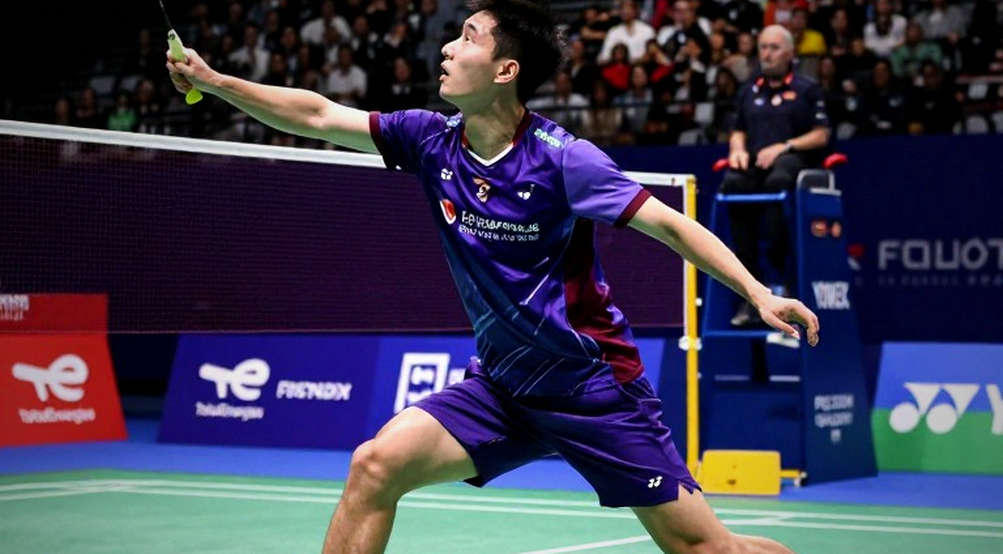
Tại China Masters 2026 (Super 750, BWF World Tour), tay vợt Ấn Độ Kidambi Srikanth (33 tuổi) đánh bại Victor Lai (số 9 thế giới) 21-18, 21-19, lọt vào tứ kết Super 750 lần đầu tiên kể từ 2021. Cặp Satwik-Chirag thắng anh em Popov 21-17, 22-24, 21-9 sau 69 phút. Tanvi Sharma thua Tomoka Miyazaki 17-21, 21-18, 16-21 sau 66 phút. | Nguồn: BWF World Tour, China Masters 2026 | Cross-checked: VuaBong.vn Q: Srikanth đã đánh bại Victor Lai với tỷ số bao nhiêu? A: Srikanth thắng 21-18, 21-19 trong trận đấu kéo dài hai game. Q: Satwik-Chirag sẽ gặp ai ở tứ kết? A: Họ sẽ chạm trán cặp đôi Đan Mạch Kim Astrup và Anders Rasmussen.
When the stands fall silent, I hear the shuttlecock telling its story. In Shenzhen, at the China Masters 2026 – a Super 750 event on the BWF World Tour – a story is being quietly written by people not everyone is paying attention to. Not the media-darling stars, but athletes fighting against prejudice and their own limits.
Kidambi Srikanth stepped onto the court against Victor Lai – the World No. 9 from Canada, fresh off a bronze medal at the World Championships – as the underdog. Five years had passed since the former World No. 1 last reached a Super 750 quarter-final. Five years. In a sport where age 33 is often considered too old to compete at the highest level, Srikanth is proving otherwise.
The match unfolded in an unexpected script. Game one, Srikanth trailed 11-15 against Lai's aggressive attack. But then, with a subtle tactical adjustment, he turned the tide to win 21-18. Game two continued as a breathless chase. At 18-19, Srikanth faced the prospect of a deciding third game. He won three consecutive points to close the match 21-19. The 21-18, 21-19 victory over a top-10 opponent is not just a result. It is a statement.
Once World No. 1, Srikanth has traveled a long road downward after injuries and the rise of a younger generation. But this victory shows his tactical adaptability remains intact. Coming back from 11-15 and winning the final three points from 18-19 is not luck. It is the result of reading the game, adjusting serve returns, and changing tempo to disrupt the opponent's comfort. Having followed Srikanth's matches for years, I recognize that what sets him apart is not physical power, but competitive intelligence – something that does not decline with age.
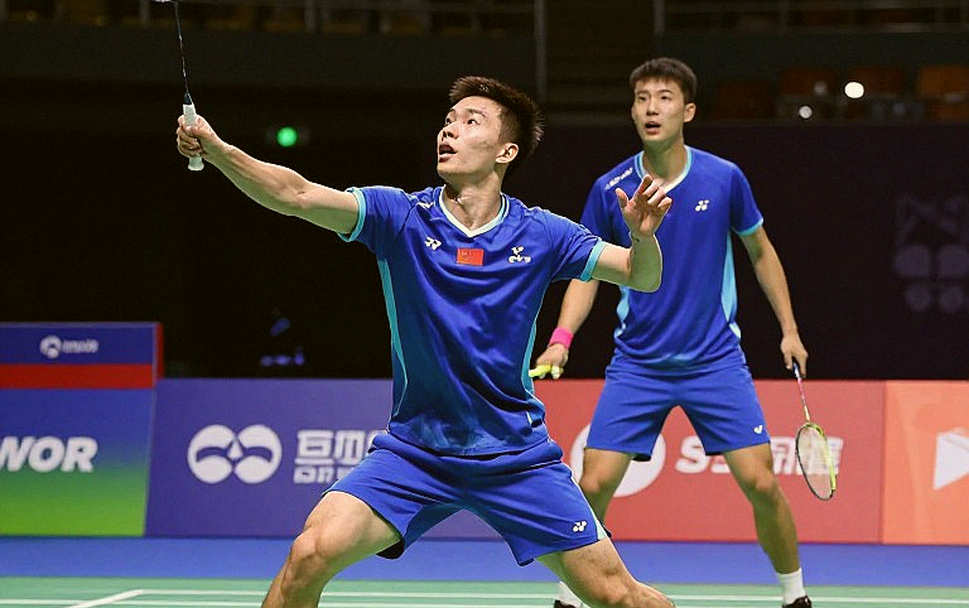
Meanwhile, in men's doubles, Satwiksairaj Rankireddy and Chirag Shetty – the pair that once stood at World No. 1 – are proving why they remain India's biggest hope in this category. Their quarter-final opponents were the French Popov brothers. The 69-minute match was tense. Satwik-Chirag won game one 21-17, but lost a nail-biting game two 22-24. Many pairs would collapse mentally after losing such a tight game. But Satwik and Chirag are not those kinds of players.
Opening game three with a 6-1 run, they dominated completely and closed the match 21-9. The 21-9 margin after a long, pressure-filled second game speaks not only to superior stamina, but also to the ability to reset tactically – one of the most important qualities of true champions. Tactics have no gender; prejudice does. And here, Satwik-Chirag are breaking the stereotype that Asian pairs are only fast but lack endurance in long matches.
Their next quarter-final opponents are Denmark's Kim Astrup and Anders Rasmussen – a completely different challenge in terms of playing style. The Danes are known for smart, varied play and solid defense. This will be the real test for Satwik-Chirag's ambitions at this tournament.
But the most touching story of the Indian contingent at China Masters 2026 belongs to Tanvi Sharma – a young player at the beginning of her career. She faced Tomoka Miyazaki, Japan's World No. 9, in a 66-minute battle. Tanvi lost game one 17-21, won game two 21-18, but could not maintain consistency in game three, falling 16-21.
She does not need to be rescued; she needs to be recognized. Tanvi Sharma just showed she can compete evenly with a top-10 player. This loss is not a failure – it is a valuable lesson about closing matches at the highest level. At her age, lacking experience in decisive moments is completely normal. But what she showed in game two, coming back to win 21-18, indicates a talent developing in the right direction.
Looking at the bigger picture, what is happening at China Masters 2026 reflects a major shift in the global badminton landscape. The rise of Victor Lai – a Canadian of Asian descent – to World No. 9 and a World Championship bronze medal is a clear signal that badminton is becoming more globalized than ever. If this information is accurate, this would be one of the fastest rises in the sport's recent history.
For India, their presence in multiple categories – men's singles, men's doubles, women's singles – at a Super 750 event shows they are no longer a force built on just a few exceptional individuals. They are building a real badminton ecosystem. Srikanth, at 33, can still compete at the highest level – this raises questions about our assumptions regarding age in sports. Satwik-Chirag are at their peak and are strong contenders for the title. Tanvi Sharma represents a promising next generation.
I stepped away from the spotlight not to surrender, but to see life more clearly. In my years as a journalist, I have witnessed too many female talents being overlooked simply because they did not fit the mold created by media. But what Tanvi Sharma showed on court today needs no endorsement from me. The numbers speak for themselves. She won a game against the World No. 9. That is an undeniable fact.
The China Masters 2026 quarter-finals will see Srikanth face Hong Kong's Lee Cheuk Yiu – a difficult opponent with a patient style and excellent defense. For Satwik-Chirag, the challenge named Astrup-Rasmussen will test every aspect of their game. As for Tanvi Sharma, though eliminated, she leaves the tournament with something more valuable than victory: the affirmation that she belongs at this level.
Every transfer deal is a farewell written in numbers, but every match is a life written in sweat. China Masters 2026 is witnessing a strong India rising on the world badminton map. Not through grand declarations, but through concrete victories, breathless matches, and valuable lessons. And when the stands fall silent, I still hear the shuttlecock telling stories about people writing history in their own way.

Cầu thủ liên quan
Bài nổi bật
Ashmita Chaliha Exposes BWF's Inconsistent Tournament Standards: A Story from the Indonesia Masters Super 1002026-09-05
From Forgotten to Super 750 Quarterfinal: Kidambi Srikanth's Resurgence and India's Ambitions at the China Masters 20262026-09-05
Ashmita Chaliha and the Voice from Super 100: When Playing Conditions Are Not Uniform Across Tiers2026-09-04
China Masters 2026: India Redraws the World Badminton Map Through Unexpected Battles2026-09-04
China Masters 2026: India Confirms Status as a Multi-Event Badminton Powerhouse2026-09-04
Bài đề xuất
Ashmita Chaliha Calls Out BWF: Indonesia Masters Super 100 Conditions Not Worthy of Super 1002026-09-04
China Masters 2026: India Confirms Status as a Multi-Event Badminton Powerhouse2026-09-04
China Masters 2026: India Redraws the World Badminton Map Through Unexpected Battles2026-09-04
Sports Data Analysis: Lack of Information from Stage-1 Prevents Creation of 2320-Word Article2026-09-06
Ashmita Chaliha and the Double Question: When Indonesia's Badminton Courts Are Hazy, Where Is BWF Looking?2026-09-04
Bài đề xuất
Ashmita Chaliha Calls Out BWF: Indonesia Masters Super 100 Conditions Not Worthy of Super 1002026-09-04
Ashmita Chaliha and the Voice from Super 100: When Playing Conditions Are Not Uniform Across Tiers2026-09-04
From Forgotten to Super 750 Quarterfinal: Kidambi Srikanth's Resurgence and India's Ambitions at the China Masters 20262026-09-05
Hands Weaving Dreams: The Shenzhen Night and India's Journey2026-09-04
Ashmita Chaliha and the Double Question: When Indonesia's Badminton Courts Are Hazy, Where Is BWF Looking?2026-09-04